

How to identify and prevent bloat in dogs
Bloat is a condition that every pet parent, and especially anyone who works with dogs, should know about: bloat, or more specifically, Gastric Dilatation and Volvulus (GDV). This is a serious, life-threatening condition that will end in the dog dying if not caught right away. It’s most common in larger, deep-chested dogs (some breeds are predisposed to it), but that doesn’t mean your own pup can’t get it. We’ll go into more detail about what bloat is, how to spot the signs of bloat, and what to do if it happens and how to prevent it.
What is GDV or Bloat?
GDV is a condition where food or gas causes a dog’s stomach to expand and distend, potentially causing pain and cutting off blood flow. That’s bad enough, as it can damage the organs, but the stomach can also twist on itself. This cuts off both the entrance and exit. That’s when it turns into GDV, a life-threatening emergency that needs surgery within hours of it occurring for the pup to survive.
How Dogs Can Get Bloat
The causes of bloat are not completely understood, unfortunately, but these are some risks associated with bloat:
- Larger and deep-chested dogs are more susceptible.
- Eating dry kibble too fast.
- Feeding only one meal a day
- Exercising hard after eating.
- Letting a dog who is panting a LOT after exercise drink bowl after bowl of water quickly.
- Certain kinds of food
- Having a family history of bloat
- Being an anxious dog
Why Knowing about Bloat Matters to Dog Walkers
As dog walkers, we’re often the first to notice if something’s off with a dog. And with GDV, noticing on time is of the essence. The condition can develop really fast—sometimes just a couple of hours after a dog eats a big meal or drinks water too quickly. That’s why it’s crucial for us dog walkers to be on the lookout for any warning signs and take the dog to the vet right away.
How to Spot the Signs of Bloat
- A bloated or swollen belly.
- Difficulty breathing because the swollen stomach is pressing on the diaphragm.
- If you tap their belly and it sounds hollow, like a drum.
- The dog might be restless, walking in circles, drooling, or trying to vomit, but nothing’s coming out. The saliva can look foamy.
- The dog won’t be able to get comfortable and will position itself in a downward-facing pose.
- Not being able to keep water or food down, and not pooping.
- If things get really bad, they might collapse.
If you see any of this happening, don’t wait—act fast. Get your pet to the veterinarian ASAP as it’s a life-threatening emergency. The faster we act, the better their chances of pulling through. This is what we train our dog walkers to spot and do to keep them healthy and alive.
Dogs Most at Risk for Bloat
Some dogs are more likely to get GDV, especially those big breeds like Great Danes, Saint Bernards, and Weimaraners. But again, this can happen to any dog, even smaller ones. Things like eating one big meal a day, eating too fast, or being really anxious can all increase the risk.
What We Can Do to Diminish Risk of Bloat
While we’re out with the dogs, there are some things we can do to help lower their risk:
- Encourage the pet parent to split their dog’s food into two or more smaller meals instead of one big one.
- Have the pup wait an hour after a meal or drinking a lot of water for any heavy exercise or playtime (long games of fetch, for example).
- Don’t let the dogs gorge themselves on water while drinking.
- If we know a dog is a fast eater, we suggest using slow-feed bowls or something similar.
- Some breeds will be given a prophylactic gastropexy, an operation where the vet surgically “tacks” the stomach to the right side of the body.
These are some of the slow feeders we like on Amazon:
Small Outward Hound Slow Feeder
Medium Outward Hound Slow Feeder
Large Outward Hound Slow Feeder
GDV is a terrible, life-threatening condition, but with a bit of knowledge and alertness, we can make a real difference. Our dog walkers aren’t simply about walks and playtime. We’re here to keep our wonderful dog friends safe and healthy, too.
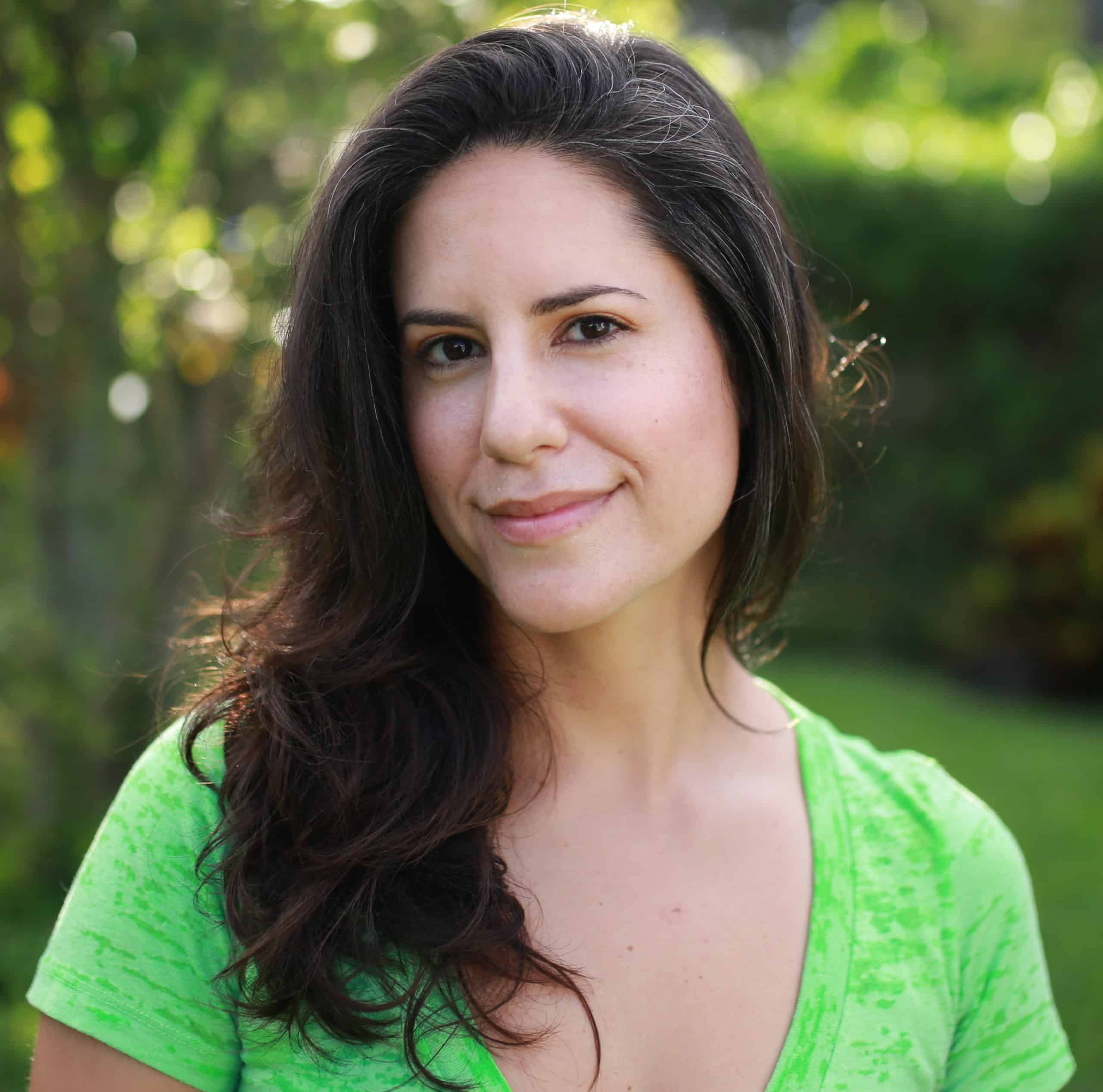
A founding member of the Equipaws family, Frankie can mostly be found working behind the scenes, helping co-create online branding, managing several social media accounts, designing brand collateral, writing copy, and managing events. She also fills in for pet sitters and dog walkers when needed in Palmetto Bay, Pinecrest, and South Miami. Her own small pack consists of Boots the Shih Tzu mix and Nutmeg the Chiweenie.
